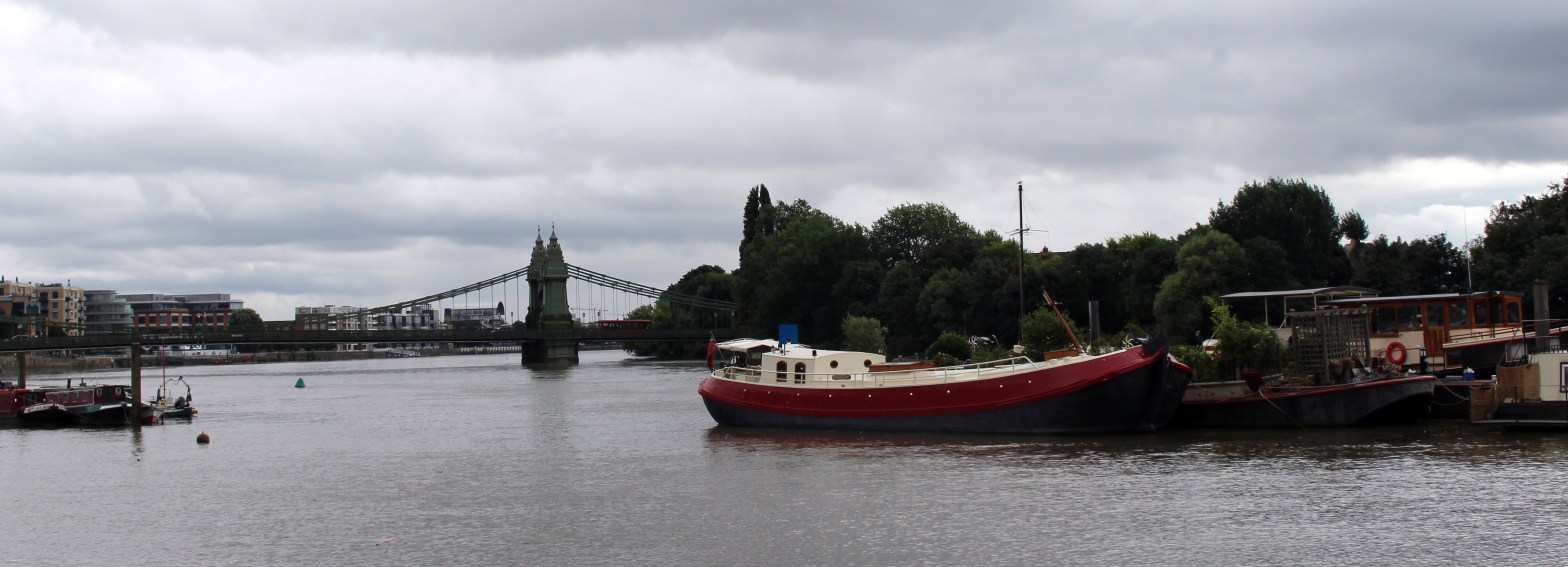
Hammersmith Bridge is now completely closed: this includes the riverside paths beneath the bridge. The 133-year-old structure is showing cracks in its cast iron, and these cracks have widened in recent weeks. For this reason, the route of the London Summits Walk (section 8) has been diverted via Putney Bridge, adding a little over 2km to the route.
I have mapped the route in the opposite direction: these map sections form the Capital C route.
These map sections (for both the London Summits Walk and the Capital C) are now made public on the OSMaps site.
One ‘dam thing after another
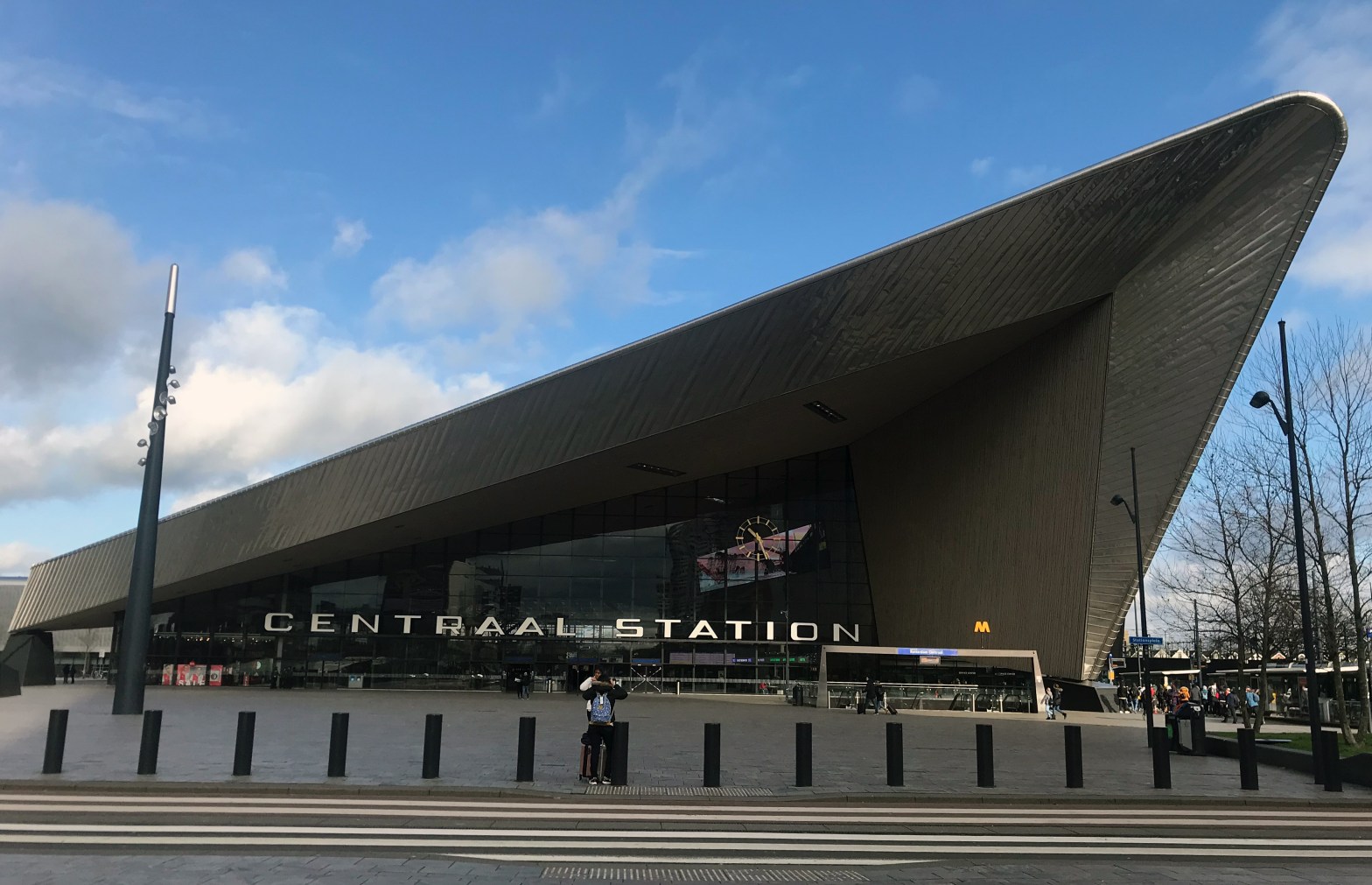
I swapped London for Utrecht, Rotterdam and Dordrecht at the weekend. I spent three hours on Saturday at Fiets- en Wandelbeurs in Utrecht, a vast expo on walking and cycling. Since I’d finished my business there in one day, I had Sunday free (before commuting straight to work on Monday morning by plane, Tube and bus, arriving in the office at 0825). I had picked up one of a set of books on urban walking in Dutch cities (with the strapline Guaranteed to break the rules): I chose Rotterdam (Wandelen buiten de binnenstad van Rotterdam, by Kees Volkers).
I managed 10km of a 15km circuit before the gnawing damp cold got to me (at 10am), whereupon I took a tram back to the station. The book works very well (it helps if you read Dutch, of course, but the map is clear and the directions are fairly obvious once you distinguish rechtsaf (turn to the right) and rechtdoor (straight ahead). My route took me from the station, starting along a moat dug to contain cholera (do we need to build coronavirus canals?), past the first tranche of post-war social housing (super reliefs of local industries over the doors), some early high-rise slabs, and the 1960s arterial routes. But also through fine parkland (one patch recalled 1950s designs from East Kilbride or Hatfield), and lots of waterside walking, of course. Herons, the standard waterfowl, and lots of great crested grebes (including one juvenile).
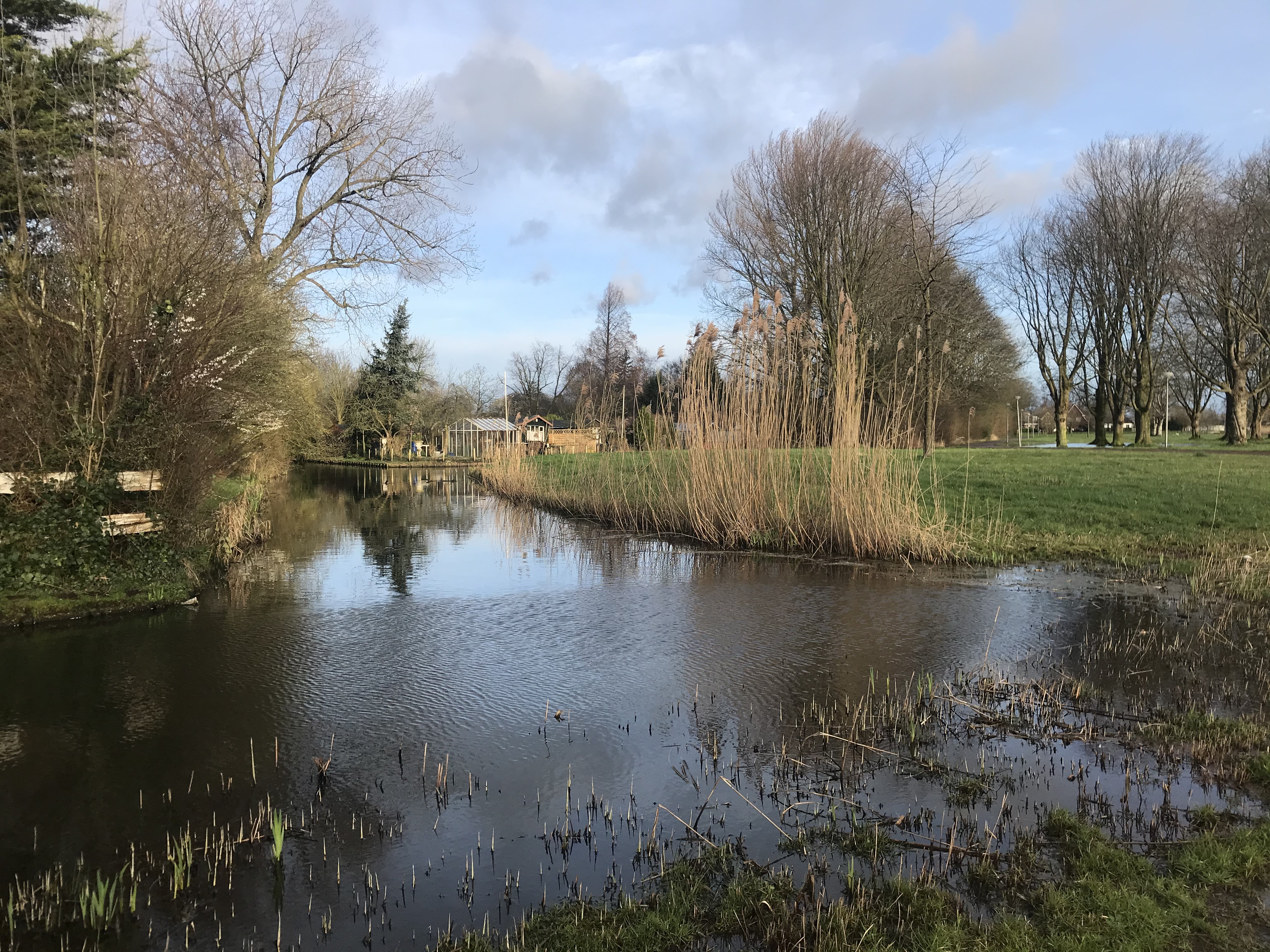
One aspect of life in Rotterdam which was clearly visible was the Volkstuin movement. Part allotments, but majoring on just having somewhere to be, these are miniature gardens for those who don’t have one, or who prefer to get farther away from the house. The picture above shows the tip of the Eigen Hof gardens, with the Rotterdam Rechter Maasoever watercourse. The only drawback I found with the book (presumably with all books in the series) is the complete lack of marking public transport stops on the map, and giving an indication of connections and frequencies.
I then decamped to Dordrecht and walked round its historic area (also tramping the obligatory 1km from the station to the place of the same name — it seems inevitable with so many European towns and cities). Lunch and a warm train back to Schiphol, as a storm straight out of The Flying Dutchman raged outside.

A Ring around the Underground

For my next circuit of London, I decided to revisit a project started a few years ago, to put a ring around the Tube. Since my first musings on the subject, we have had Overground, TfL Rail (now out as far as Reading), DLR south of the river and trams, but the topology just does not work. So I return to link up the points which are true termini on the Tube. That means, for example, that Elephant and Castle does not count, since the Northern Line sails through en route for Morden.
The idea is not to cross any live Tube lines (above or below ground) with passenger service. Therefore we may, for example, cross the tracks east of Upminster between the station and the depot. By the way, this explains some of the topology problems with DLR and so on: to keep outside the route to Woolwich Arsenal, Upmister to Brixton becomes an outer anticlockwise loop via Hemel Hempstead, Epsom and Tulse Hill.
Three days’ walk in, I have covered the ground from Upminster to Brixton (using the Woolwich Foot Tunnel) and am just short of Morden. Another two days, and I shall be turning the corner at Terminal 5. So far, I have passed through country parks and municipal parks, explored old railway land and the huge (and fascinating) Becontree estate as it marks its centenary, I have crossed the only col in Greater London, and of course have walked beneath the Thames.
Lots more excitement to come.
Getting out of town

After a fallow quarter, the early May bank holiday weekend gave me the first of the set of Get out of town! walks. The choice of the northern route was informed by which Tube and train routes were being disrupted. An early Saturday start (at 0730) gave me the luxury of Trafalgar Square and Covent Garden without the crowds. The route was pleasantly quiet along the New River Path and through Clissold Park, but by the time I was walking through Finsbury Park and along the Parkland Walk, the hordes had stirred. I was debating the value of pushing on to High Barnet station (and having to climb off-route to reach it) as I approached Totteridge Lane around one o’clock: the first spots of rain made the decision for me, and I trotted up to the Tube station. The rain soon turned into a full-blown hailstorm, but by then I was safely on the train.
An early Sunday start appears to be anathema to TfL, so the second day’s walking was Monday. Sunday services on the Bank Holiday buses, so nothing till mid-morning from near home, but a brisk 2km gave me a train just after six, and a couple of buses across north London, and I was back at Totteridge Lane to start at 0720: again, very few people on the paths.
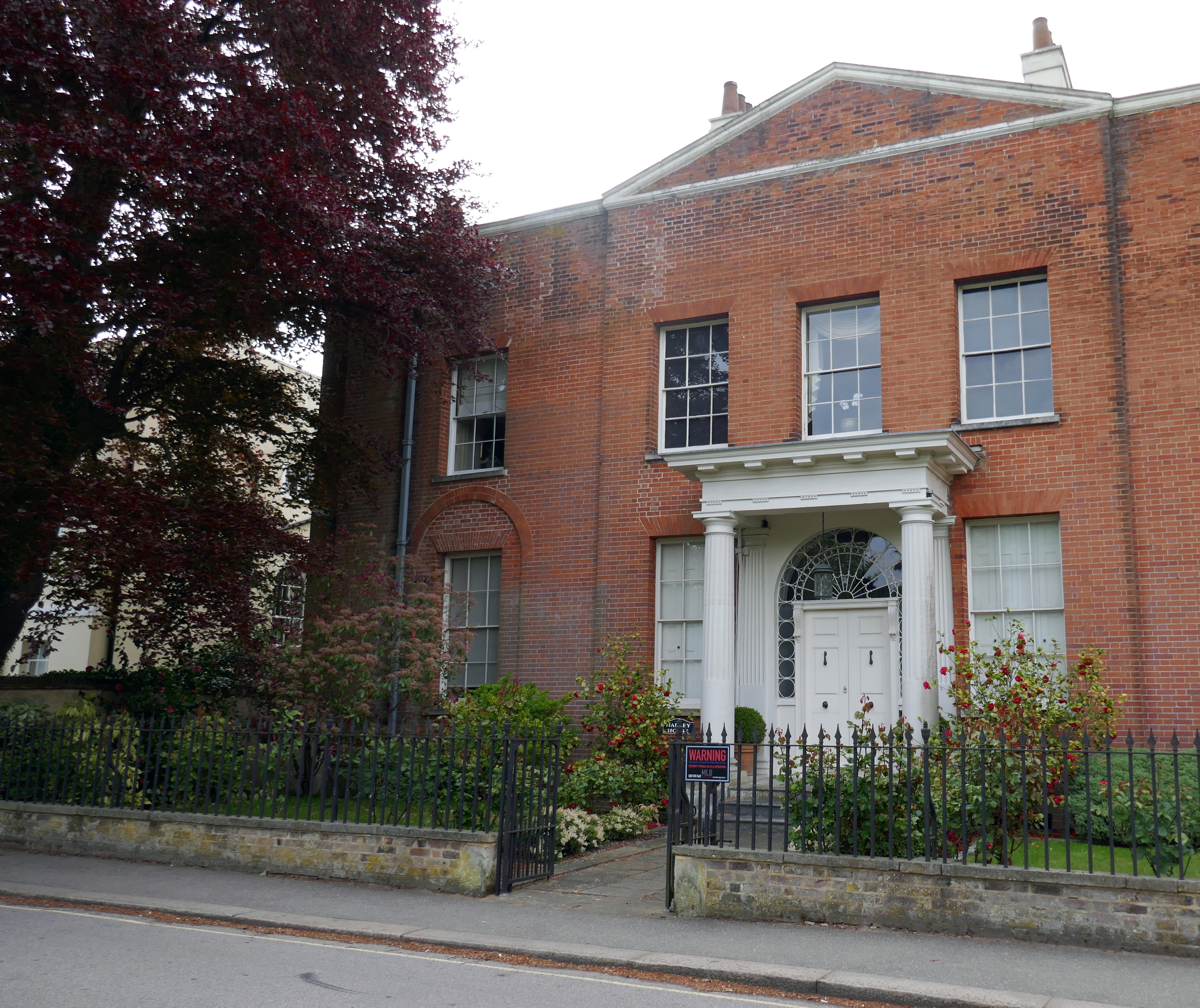
A lugubrious basset hound on Hadley Green excepted, the first time I had to guard against bumping into bodies was at South Mimms motorway services, a rather unusual pedestrian refuelling point. My arrival at Old Hatfield was well-timed, giving me the time to tour the old village centre before catching the hourly train to Kings Cross.
Wandel naar je Werk Dag
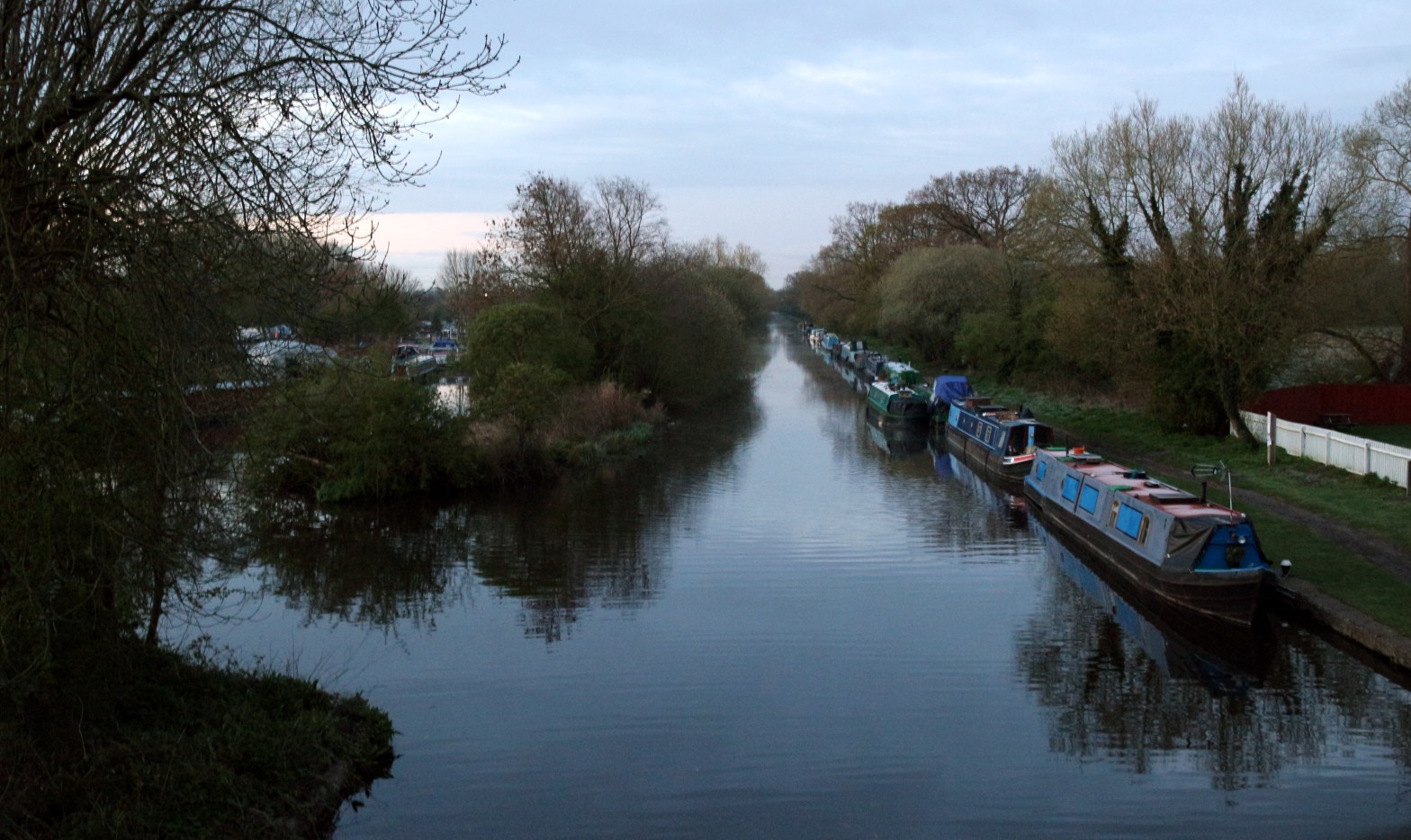
On 4 April, I celebrated the (Dutch) National Walk to Work Day by adding a London dimension. The 7.5km walk took an hour and twenty minutes.
I delayed my usual departure time from home, because there was simply not enough light, and I did not want to trip over any ropes, clutter or herons on the Grand Union Canal towpath. By 0610, half an hour before sunrise, and therefore at the traditional end of lighting-up time (before light-sensitive street-lamps had been invented), I decided that it was light enough to venture forth. A short trip along the side of the park, and I was on the canal towpath.
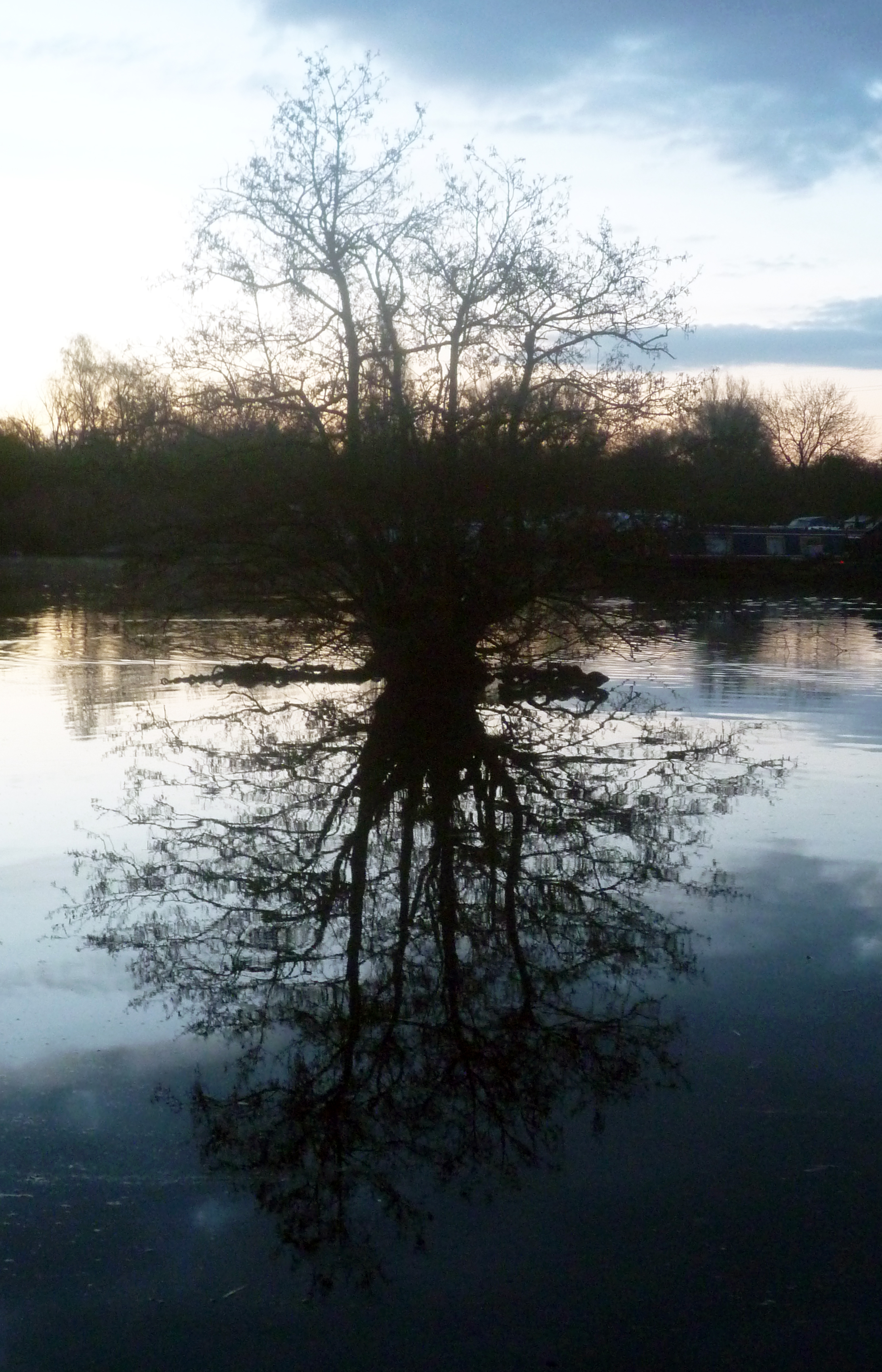
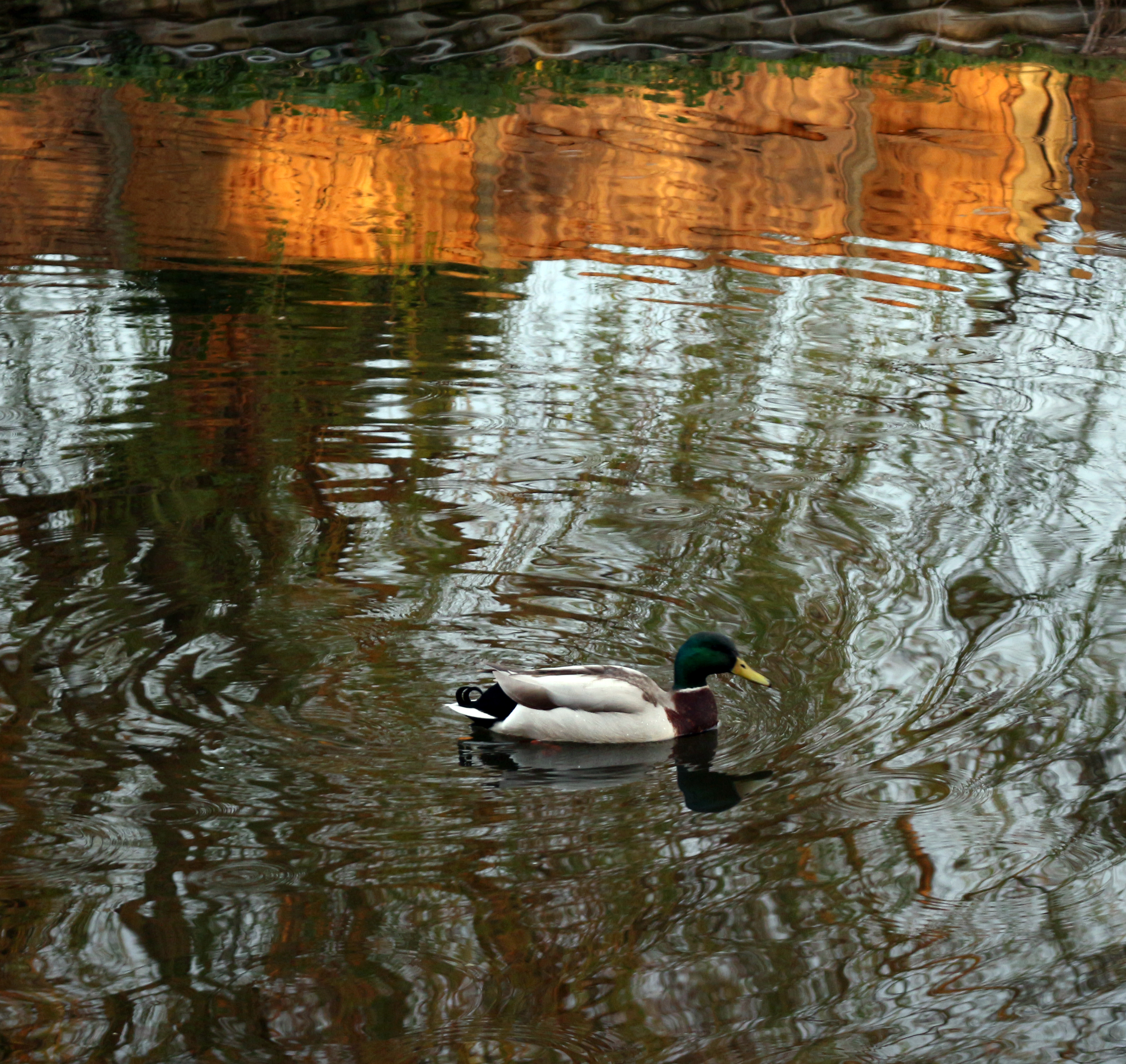
The walk along the canal was as noisy as my usual bus journey, but instead of the raucous bellowing into mobile phones, the unprivatised drone of on-phone entertainment, and so on, the soundtrack was provided by a vast orchestra of birds — in the trees, the robins, blackbird, tits, finches and pigeons of suburban life; out on the water, ducks and coots, the squeaky gate call of a moorhen, and the braying of the geese which brings to mind PG Wodehouse’s classic “when aunt is calling to aunt, like mastodons bellowing across primeval swamps”. Down at Denham Deep Lock (a shame the café is shut at that time of day … and ditto with the Swan and Bottle later in the walk), the soundscape gained a drone: not a bagpiper, but the growl and thrum of the A40, always busy.


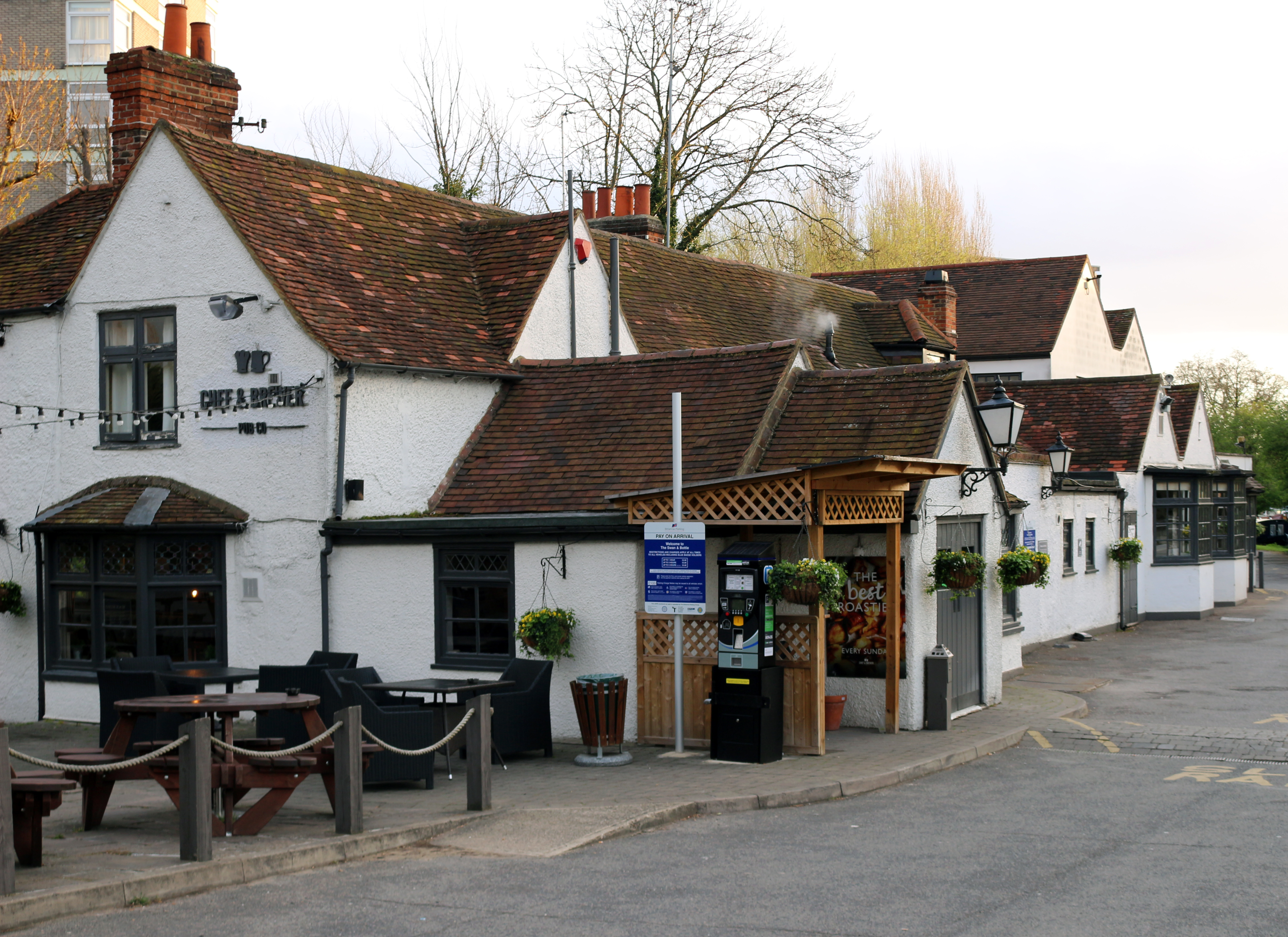
Once underneath the main road, suburbia returns. Across the canal, the 1920s Willowbank community is first to appear, but after a divergence on the canal, the right bank is filled with new housing built on the site (for a thousand years) of a flour mill on King’s Island: this is the Kingsmill on the wrappers of supermarket loaves nationwide. The towpath crosses to the west side just in time to run alongside the seventeenth-century Swan and Bottle pub (formerly two pubs: guess what each was called).



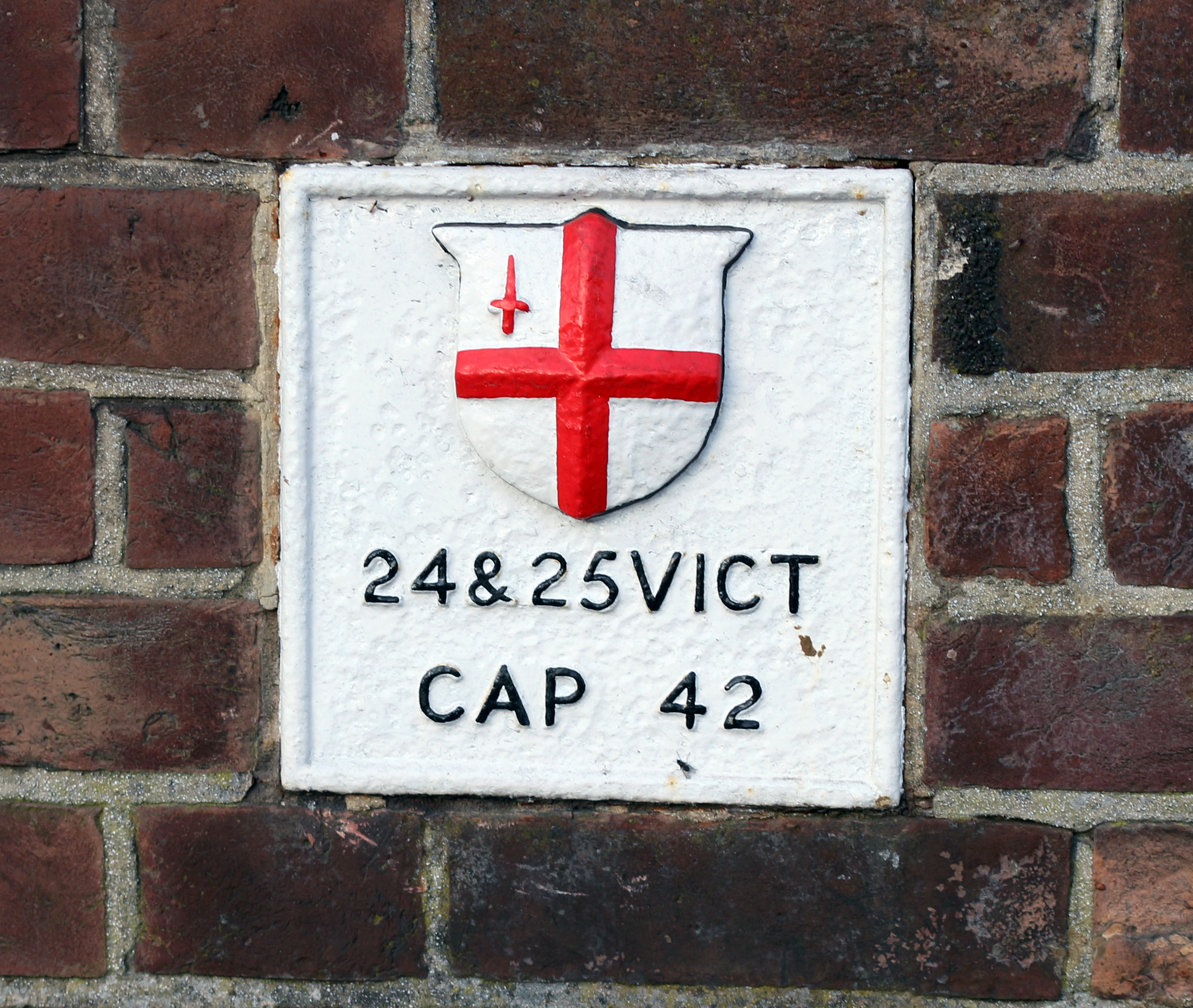
The exit from the pub car park is really the hinge of the walk: a main left turn, and the transition from towpath to road. But before turning left towards Uxbridge High Street, I crossed Oxford Road (patience required) to re-acquaint myself with the coal tax plaque on the bridge over the Colne. Here, the river marks the boundary of the London coal tax area: in the 1860s, the Corporation of the City of London levied tax on coal and wine brought into London (as defined by the Metropolitan Police District, which comprised parishes which were, in whole or in part, within 25km (of course, it was defined as 15 miles in those days) of St Martin le Grand, next to St Paul’s Cathedral. There are over 200 markers still in place: see the Coal Tax Circuit for a route round them all.
From the bridge, I went past the shell of the Crown and Treaty Inn, crossed at the lights, and walked up the High Street, past the court, the market hall, the Tube station and the Civic Centre, to St Andrew’s roundabout, and then along Hillingdon Road and up Kingston Lane to Eastern Gateway where, as luck would have it, Tom Betteridge was on hand to take my arrival photo, and to chat about the possibility of a Brunel Walk to Work Day later in the year.

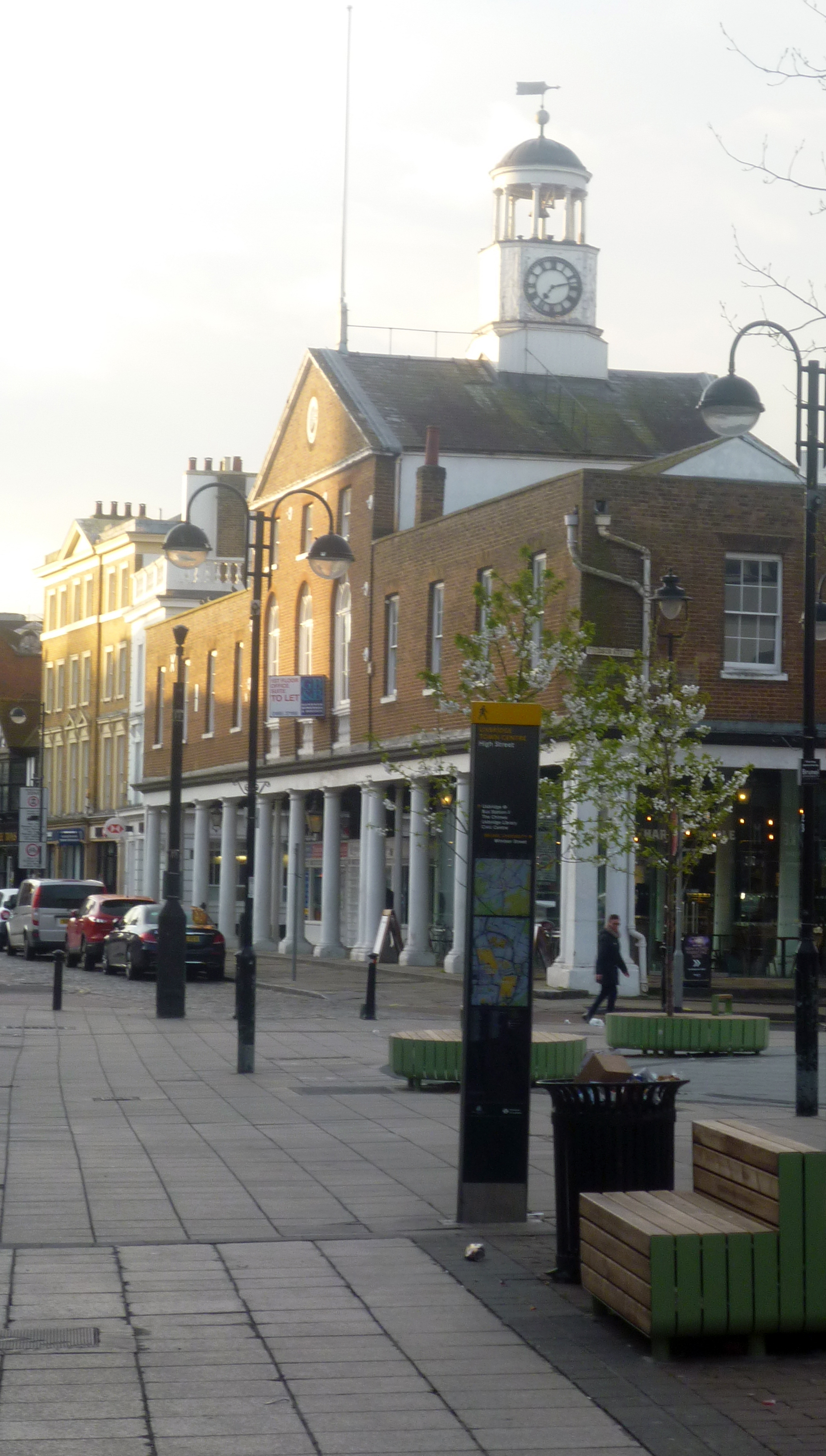
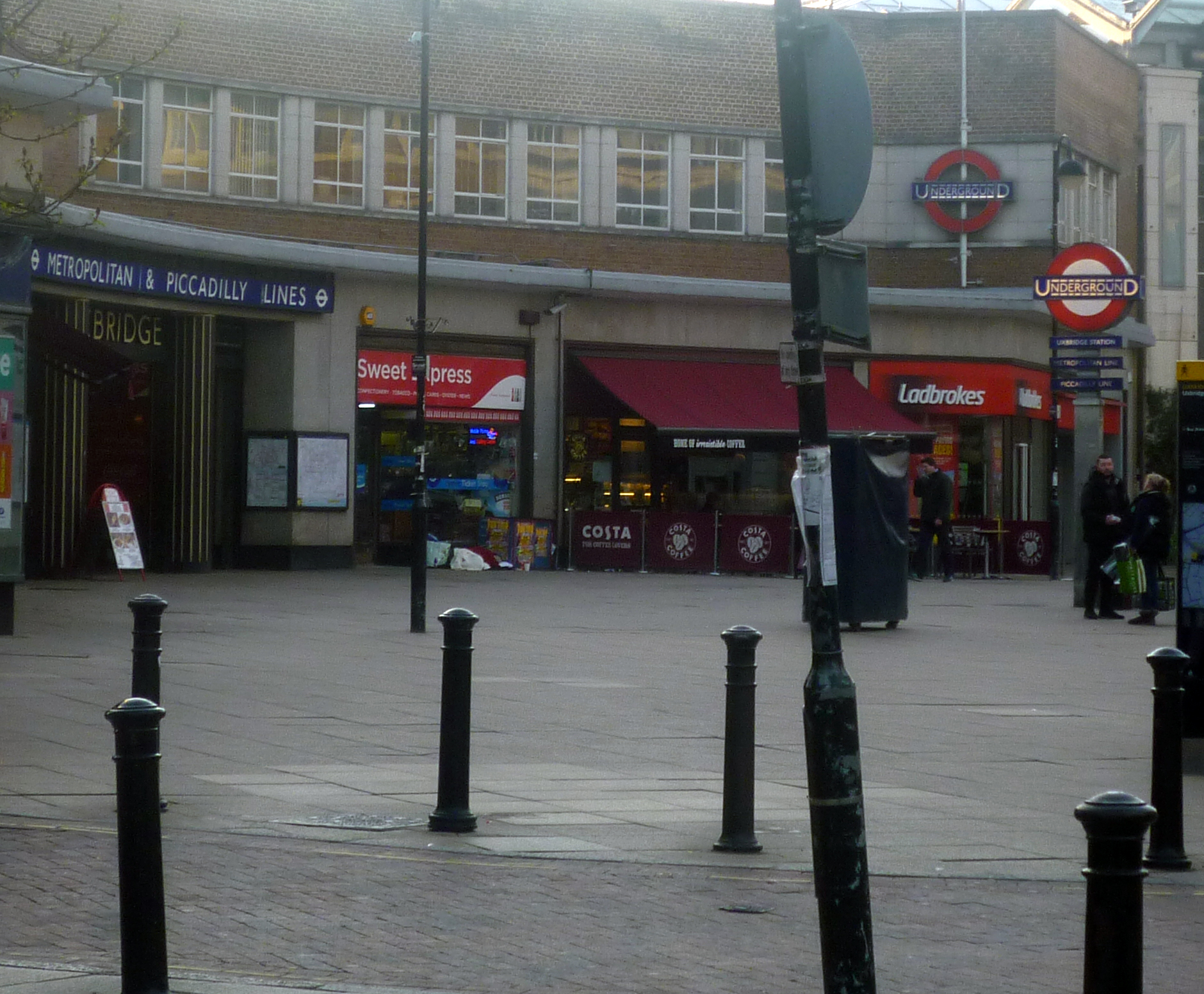
It is not a route to work I’d choose every day (I have walked the towpath in deep snow after all buses were recalled, but that was when it was the only option), but I arrived in good form, ready to tackle the working day. Wandel naar je Werk Dag does not require its Dutch participants to walk all the way, but just to incorporate some walking into the route on the day. It might be a case of walking the first or final stage to or from a station, getting off a bus a couple of stops short of the usual, or even parking at the far end of the campus.
I commend the idea to all.

 Lwalks.London