The Elizabeth Line, done and dusted

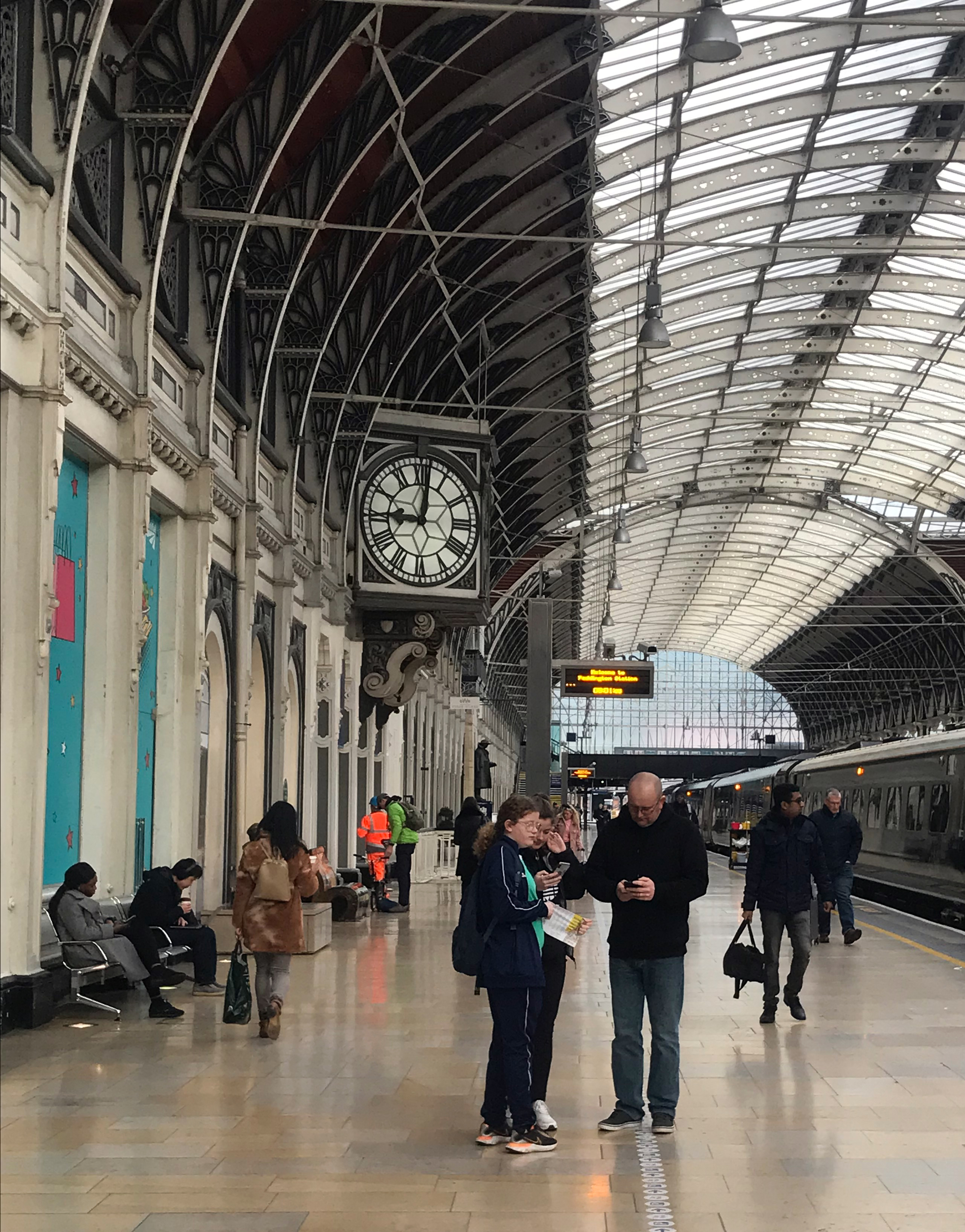
Paddington station

I have now stitched up my station-to-station walk from both Abbey Wood and Shenfield to Whitechapel, and westwards to Reading, the westmost sections in the heat of the summer (so that would be “dun and dusty”).

Like all walks through an urban centre, the Elizabeth Line walk is not all meadows and wilderness, but the streetscapes are as varied as the landscapes, from proof-of-concept suburban housing to areas of regeneration, flyblown shopping thoroughfares (not just Oxford Street) to the asepsis of new-build areas which have yet to acquire a character. The walk through London, of course, throws up great contrasts in architecture.

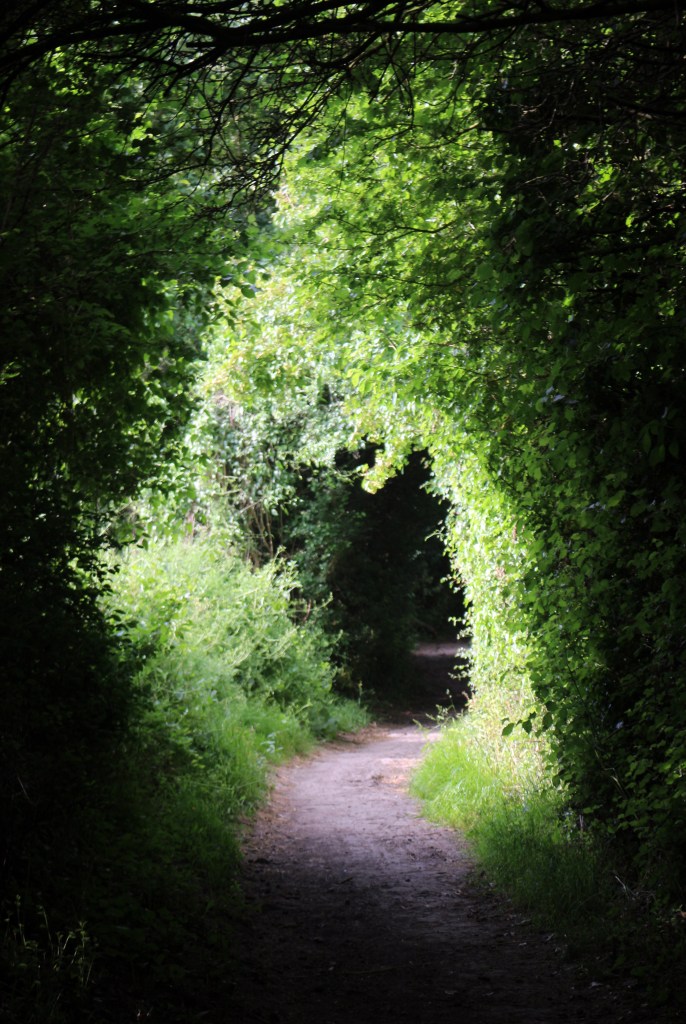
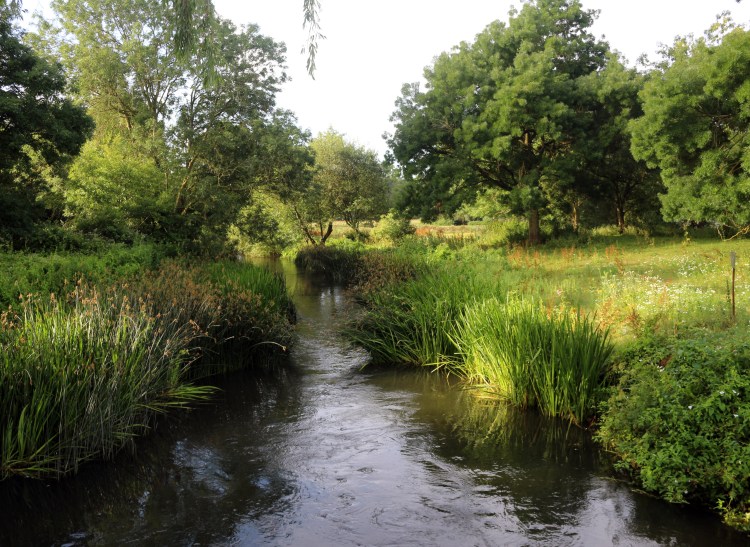
The landscapes vary from totally rural patches (around Brentwood and west of Maidenhead) to the tiny parks dotted along the line and the big urban natural spaces of Lesnes Woods and Wormwood Scrubs.

It would be interesting to walk the route again, swapping around the seasons. West to east is of course a possibility (if you don’t mind walking into the sunshine all the time).
Doctored Docklands

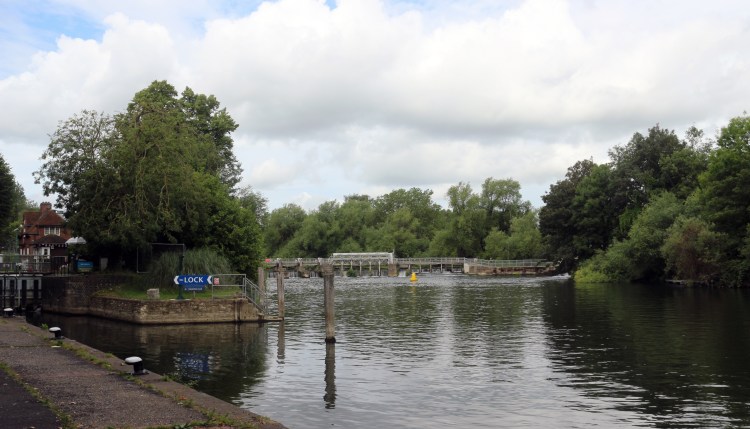
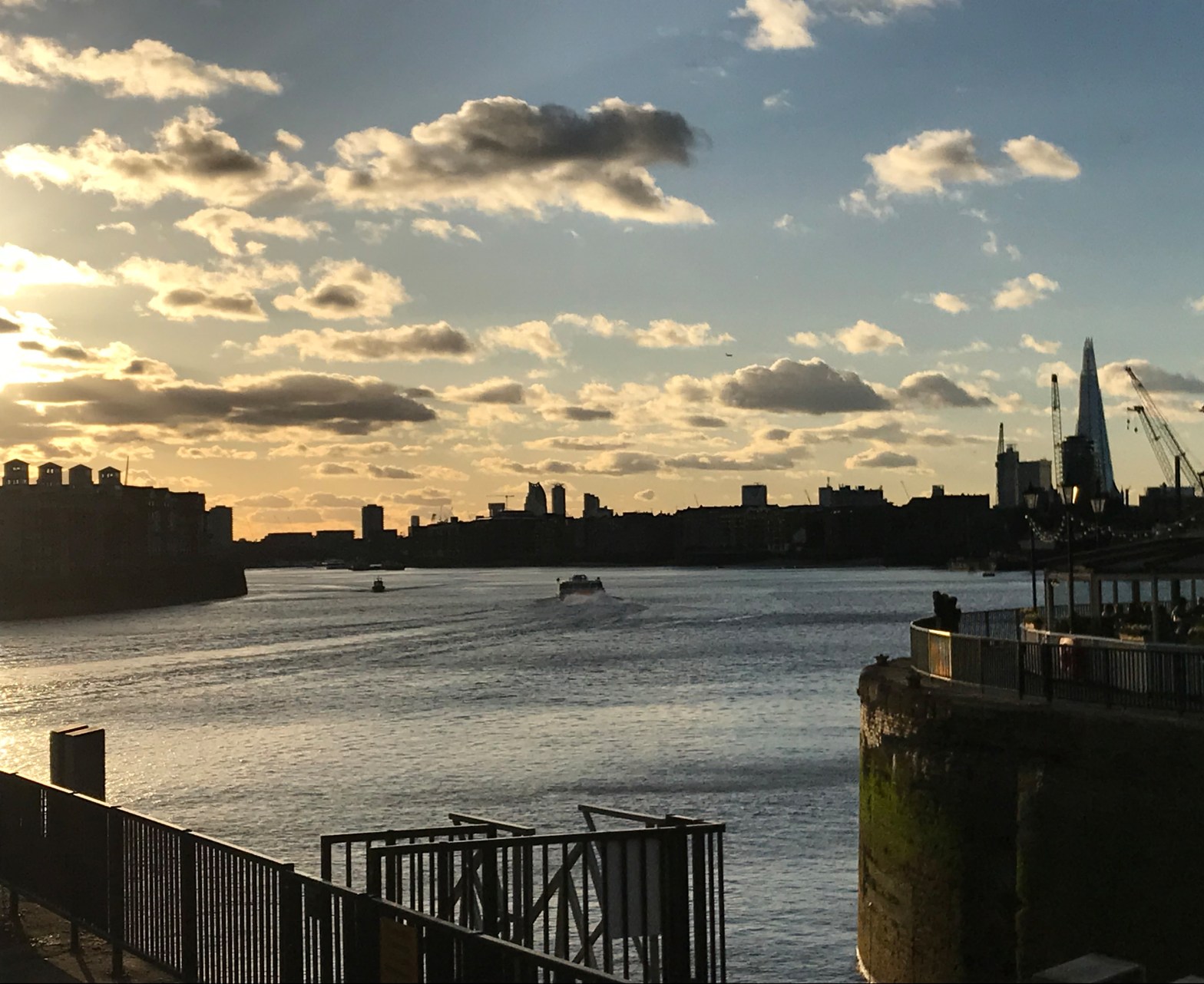
Another morning following the Elizabeth Line. Full disclosure — the photo above was taken on a previous visit to Limehouse Basin.

This time, it was westbound from Beckton Park (completing the section between Woolwich and Custom House), as far as the Elizabeth Line’s junction station at Whitechapel. It was a grey day, so there was no chance of being fried by the tall buildings around Canary Wharf. But Saturday morning was one of the better times to traverse the Isle of Dogs — fewer people.

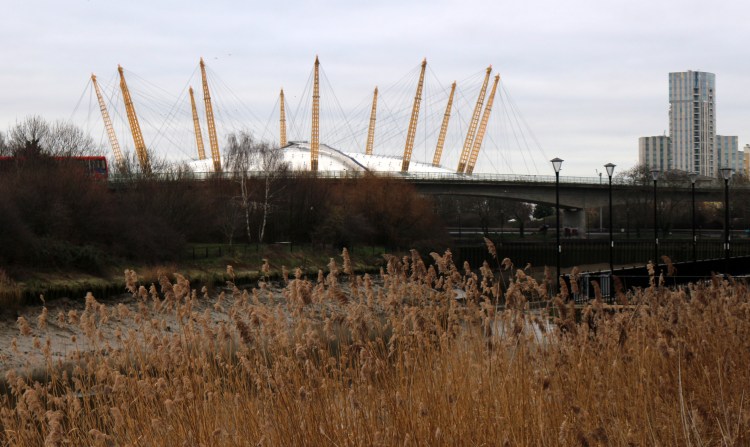
The Millennium Dome looms out of the landscape, as seen from Blackwall Way over Bow Creek

The route, though, had to be altered from the original in several places due to construction (ExCeL, the Tideway), “construction” (barriers but no apparent activity — constructive deterrence?), and the usual scourge of locked gates. Some nice contrasts between the old and the new, and a couple of fine little pocket parks. The Thames Path borrowing to the west of Canary Wharf was curtailed by diversions before the push north via Shadwell to Whitechapel.

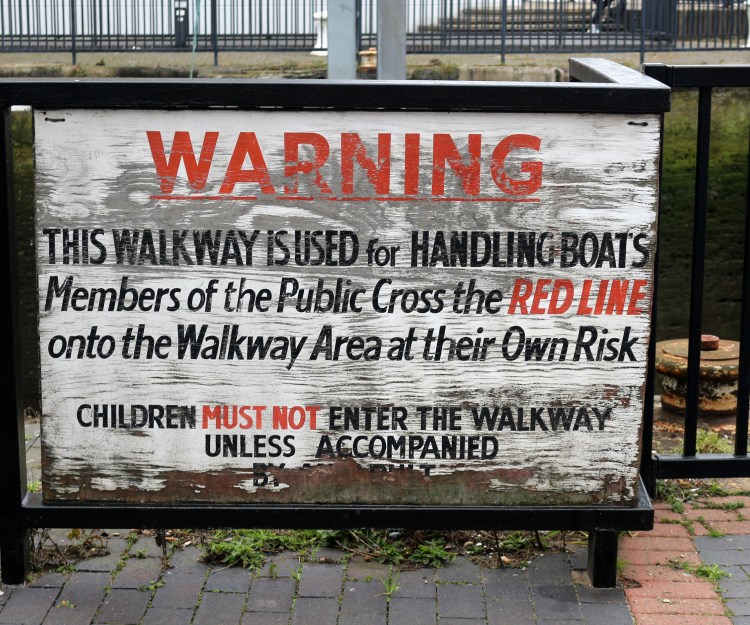
This notice may be beside the entrance to Gordon Ramsay’s restaurant in Limehouse, but be assured that the walkway leads round the outside of the restaurant, rather than into it

A walk in wintry Warwickshire

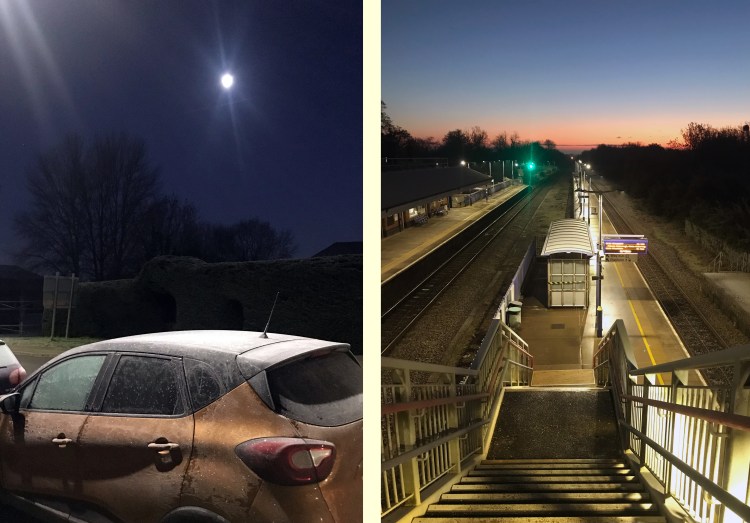
Up betimes, as Samuel Pepys would put it, and out for a morning near Henley-in-Arden. Frost glinted off the moonlight at the bus stop (-4°C), and I descended the station stairs with a view of London’s sunrise-to-come. A total of one hour waiting at stations in the 2.5-hour span, and I emerged at Warwick Parkway, after a journey in pale winter sunlight (except for the fog which shrouded Bicester and its environs) to a white frosted land. My lift took me to the start (and back from the finish) of the circular walk.

Early morning on the edge of London

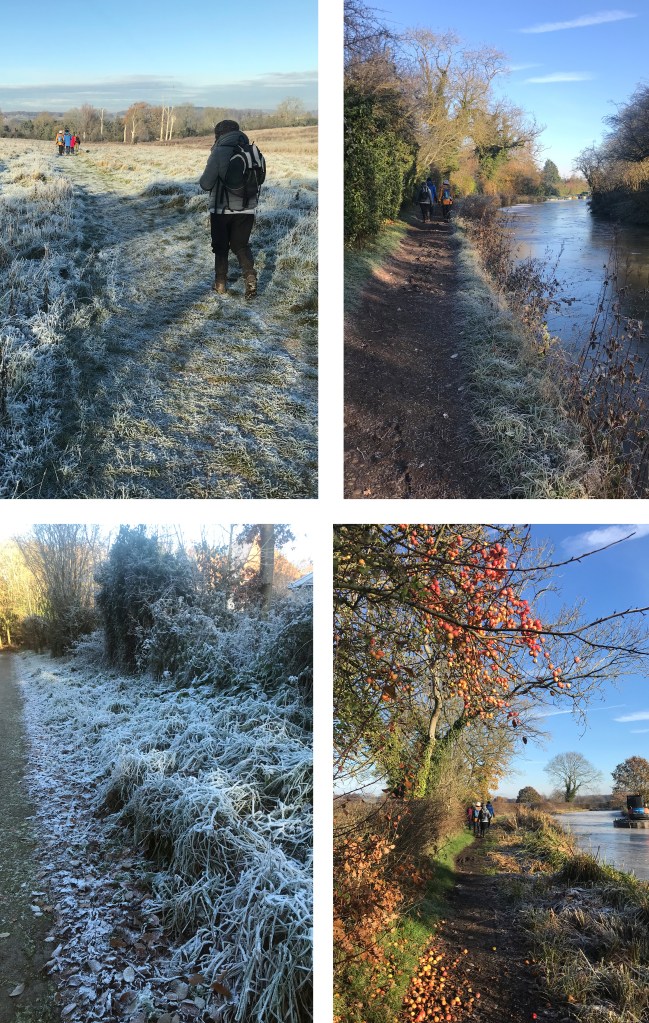
After consuming mince pies, we set off across the crunchy white field, and descended to the towpath of the frozen Stratford-upon-Avon Canal. The temperature was still below zero, but we were warming up inside our layers, and even gloves were now optional. The last of the leaves were falling onto the ice on the canal, and there was a massive windfall from a crab-apple tree. At the end of our canal section, we had a short refuelling break.

Onwards and upwards (ever so gradually) across fields to round a farm onto a lane. A short step along the lane, and a longer step on a hardened bridleway, passing farm buildings (one of them with a model railway layout in the loft). Up a steeper slope, then a descent through woodland. The temperature was now nudging zero from below.

Clockwise from top left — the start, the canal, the crab apples, and the bridleway

This is what winter walking is all about — wine-fresh air, the body warm against the cold, good visibility, and a solid footing on the frosted ground. Then, the final field. 800m of path, the frost now thawed on the south-facing slope. Ten slithery paces in, boots were coated in wet Warwickshire soil. All the other paces were moonwalked — this was more tiring than the hill from the railway shed. The tufts of grass in the frost-pocket by the roadside hedge became impromptu boot-brushes, with most of the remaining mud detached by clumping up the driveway to the car park.

After a restorative lunch (including some product from St James Gate in Dublin), back to the station at Leamington Spa for another three hours’ stop-start travel home. That final mud excepted, a first-class day out in good weather with good company.

London Summits Walk refreshed

I have reviewed and refreshed this, the first of my home-grown circuits of London. As well as the text editing to take in new features (such as the new infant forest at Enfield Chase) and necessary diversions (such as the use of Putney Bridge rather than the structurally unsound Hammersmith Bridge to cross the River Thames), I have recast the route into 23 sections, rather than the original 59. They will still not match everyone’s daily division, but each section now falls between 10km and 18km in length. Of course, the potential exit points within each section are still in the text.

The information leads off from the route home-page, with the same URL as before.

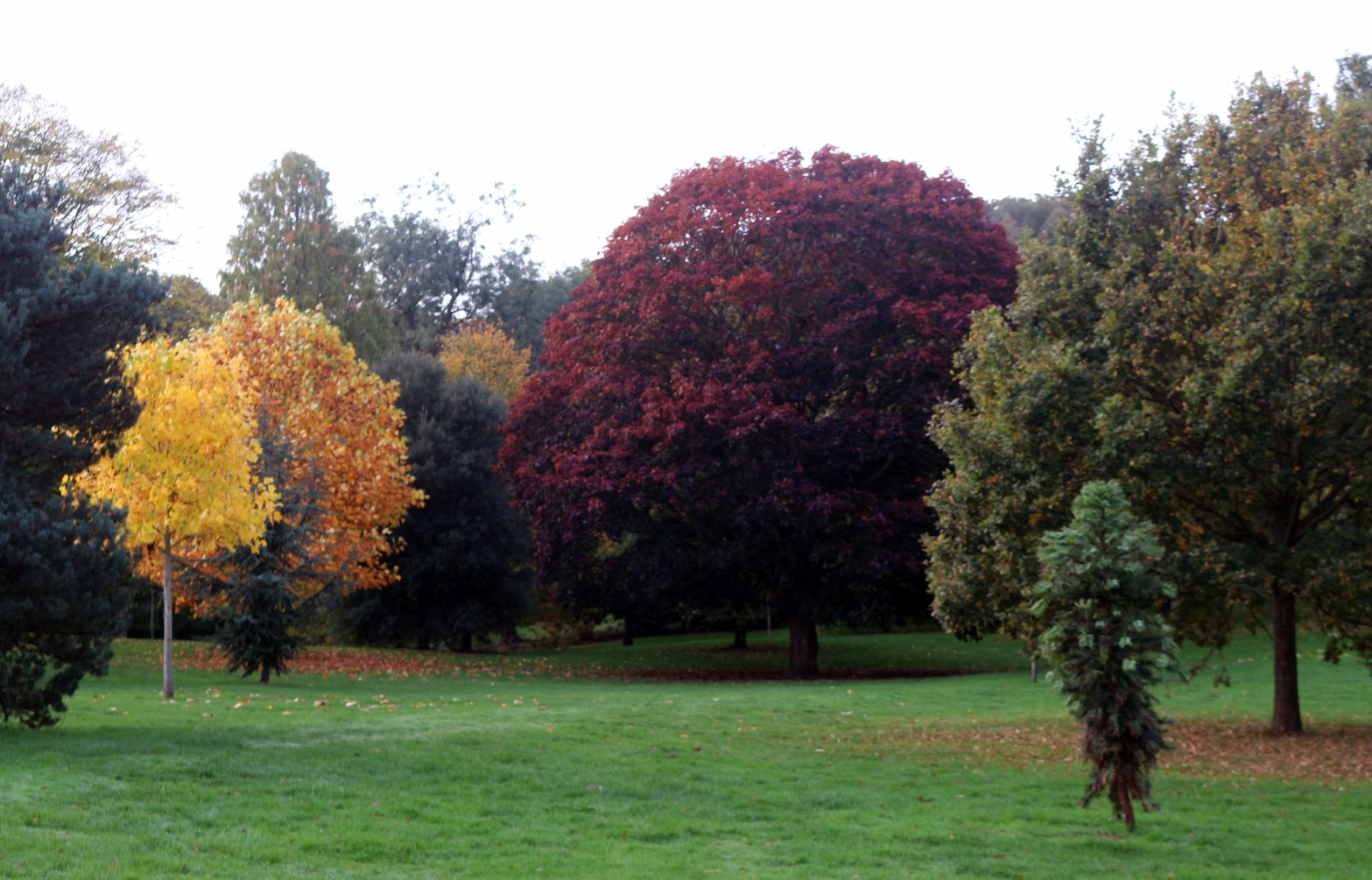
A word about the image. It is a cottage in Hanwell which has a tale of ecclesiastical hubris (leading to tragedy): the full story is in the notes for section 14.

Setting out from the Elizabeth Line

The Elizabeth Line has brought more of London into focus for walking. To begin at the beginning, I walked between the first two stations westbound — Abbey Wood to Woolwich. The route follows the Green Chain and its link route to Plumstead Common, then drops all the way down Burrage Road to Woolwich. Start on the south side of the station (Wilton Road entrance), and pass beneath the road flyover, following the fingerposts on the Green Chain Link. Within minutes, you are in the parkland and woodland of Lesnes Abbey Woods, and woodland alternates with common all the way to the top of Burrage Road.

About 9km with 150m climbing. Take provisions, and in autumn, wear a hat with enough cushioning to soften the blows as countless acorns and beech nuts fall out of the tree canopy.